Showing posts with label living green. Show all posts

Wednesday, April 16, 2014

5 Green Lifestyle Products

Our Earth Day fever is really heating up but before we begin discussing really awesome environmentally friendly, sustainable and all-around better options than the traditional versions currently available, we'd like to first encourage you to think closely before you buy. If you've decided that yes this is something you need, then also think about alternative ways to get it.

For instance, can you borrow it? Make it? Grow it? Build it? Being green is not just about buying green. It's a way of life. It's thinking and acting in sustainable ways.

We love this 'My Not-Shopping List' because it encourages us to treasure everything by repurposing or repairing items. Is also encourages us to build a community by borrowing items instead of buying a version for ourselves when we can share with friends, family and neighbors.

One of our favorite things to do is go to swap meets and thrift stores to find something we want or need. Buying second-hand means that you are adding to the life of something that would have ended up in a landfill. Plus it's also pretty neat to browse previously-loved products from record players and old clocks to bike parts and jewelry!

Again, we'd like to reinforce re-using and upcycling before you purchase new.

With that being said, we know that things eventually break, again. Nothing lasts forever. We want to highlight some incredibly innovating, thought-provoking and revolutionary products that are simply better for the environment, your home and your family.

Glass Water Bottles
First thing first, stop buying plastic water bottles. There, it's been said. Let's move on to what you can and should buy for when you're on the go, because drinking water is an essential part of staying healthy. Re-usable plastic water bottles leak chemicals into you water, instead re-usable BPA/BPS-free and phthalate-free glass water bottles and caps, like these adorable ones from Lifefactory provide fresh and clean drinking water safe for consumption!

glass water bottle, re-uasable water bottle


Camioncyclette
Designer Christophe Machet describes his invention as, "It is not a bicycle with added baskets, but a basket with added wheels that can be rode." 40% of car rides are 2 miles from the home and under. We'd like to point out here that isn't that perfect biking distance! You can travel 2 miles in just a couple of minutes by bicycle. Biking is a healthier and environmentally safer option than driving for many reasons, and we believe that the biggest deterrent for biking over driving is the cargo! This mode of transporting both you and your produce, park essentials or school/work gear up to 32 gallons! We know you'll have more fun riding it than this guy -->


bicycle, living green, car alternative

This particular bike may be hard to buy as it's not available in most stores, but when contemplating a bike purchase think light weight frame and storage (bikes can have baskets both in front and back!).

AquaFarm
Grow > buy. Not only is it cheaper, but it's greener! Growing an herb garden is a great way to cut costs in transporting plants from where it's grown in the world to your supermarket. Think of all the emissions you'll be eliminating! So when we can across this self-cleaning fish tank from Back to the Roots that grows herbs, we were thrilled!


Graze Organic
Let's talk about plastic bags, the sandwich and snack kind in particular. Graze Organic has created reusable, washable alternatives to traditional wasteful plastic bags. Bags are made from washable, durable organic cotton and available in such fun colors and prints, these sustainable bags are an adorable way of sprucing up lunch and reducing waste!

reusable bags, Earth Day, living green

Re-usable Produce Bags 
If you haven't done so already, and we highly suggest you do, please purchase alternatives to grocery store plastic bags. Many cities, states and countries have a ban on them and therefore are not in grocery stores, but for the laggards who do not currently own reusable grocery bags, get some! We highly recommend these produce bags from Flip and Tumble because they are not only reusable, but easily washable! You can even wash produce in the bags! They also roll up into very small size to carry one or all with you in your purse, briefcase, school bag, etc. Best part, they're $12 for a set of 5!


What are some of your favorite green products? Share with us in the comments below!

-the Little Critterz team


Wednesday, March 26, 2014

Earth Hour 2014

I'm sure you've heard of Earth Day, but what about Earth Hour? One sole hour can't make an impact on our planet and communities, you argue. But it can!

You may remember a post last March about a way to unite and empower people around the world regardless of where they live, if not, take a look here.


The Symbol

For one hour, Earth Hour and WWF ask you to turn off the lights -- one simple action that means so much. With the unnecessary lights off the world is silent, slowed, and in it's natural state -- the way is was a mere hundred and fifty years ago. This one small, inspiring action says much more. It is voicing your commitment to the future of our planet. It is participation and action to achieve a more sustainable world. For one hour, light some candles, unplug your coffee machine, hair dryer, and other unnecessary appliances and enjoy the darkness. The ultimate goal however, is to go beyond the hour.

The Burj Khalifa tower (L) in downtown Dubai during Earth Hour 2013. (AFP PHOTO/KARIM SAHIB)

The Movement

The 2007 inaugural Earth Hour was held in Sydney by over 2 million participants. Spreading quickly, in 2008, 371 cities and towns in over 35 countries turned off their lights to conserve power and voice a message about the state of the world's resources and environment. Even a sizable number of television and radio stations suspended regular broadcasting, halted transmissions or turned off the lights in their studio for an hour. National Geographic Channel, Cartoon Network, DhiTV and Villa TV (Maldives), Canal 5 (Mexico) and ABS-CBN (Philippine) were a few of these.

What started as an hour of conservation has turned into a global movement.

In 2011, Beyond The Hour was launched to give supporters a place to share their stories and pledge to do more. And in 2012, the I Will If You Will campaign was launched and more than 200,000 accepted an I Will If You Will challenge. Such challenges included a man would do a polar bear swim if 2,000 people agree to pick up trash by the beach, or Bill and Giuliana would wear Chicago Bears jerseys down the red carpet if 5,000 people commit to Earth Hour.

Over the last few years, dozen of projects have been completed by Earth Hour and WWF from the changing LED lights in the United States to planting half a million trees in the forests of Uganda. Today, Earth Hour Blue is an open source platform that allows people to crowd-fund projects all over the world! You can choose to donate to projects ranging from adopting puppies to train them as be crime fighting dogs, to installing solar lights in India to prevent tigers from entering villages.

The power is yours.


Celebrate Your Commitment To The Planet

On Saturday the 29th of March 2014 from 8:30-9:30pm local time join millions of people who switch off the lights for one hour to raise awareness for the planet. This worldwide grassroots movement, organized by WWF, unites people to protect the planet by engaging a massive mainstream community on a broad range of environmental issues.

For more information on celebrating Earth Hour visit here.

See if your city is one of thousands participating in Earth Hour 2014.

Friday, March 21, 2014

The Earth is on Our Mind

Spring has sprung (okay it's been springing in San Diego for quite some time). The sun is out, the flowers blooming and we feel both happy and blessed to be living on such a lovely planet. We're sure you have these moments where you just have to breathe it all in because they are that sweet. These grateful moments, however, have us thinking about delicate nature of our planet.

With Earth Day coming up, (Earth Day is Tuesday April 22, 2014 in case you haven't yet heard) we have decided jump all into the spirit and festivities of spring -- enjoying the outdoors, participating in the community, and doing our part to protect the planet for humans and animals together, forever!

Our team here at Little Critterz™ is challenging you to participate as well!

Love The Earth

We believe the kick off to Earth Day is Earth Hour.  Earth Hour takes place almost a month before Earth Day, and it is the first event in which asks people to take part in the direction of our planet's resources and ecosystems. Heck, some may say St. Patrick's Day could be the kick off for this time of green -- cue green drinks and leprechauns dancing!

Olympic National Park's St. Patrick's Day post -- if that doesn't represent Earth Day we don't know what does!
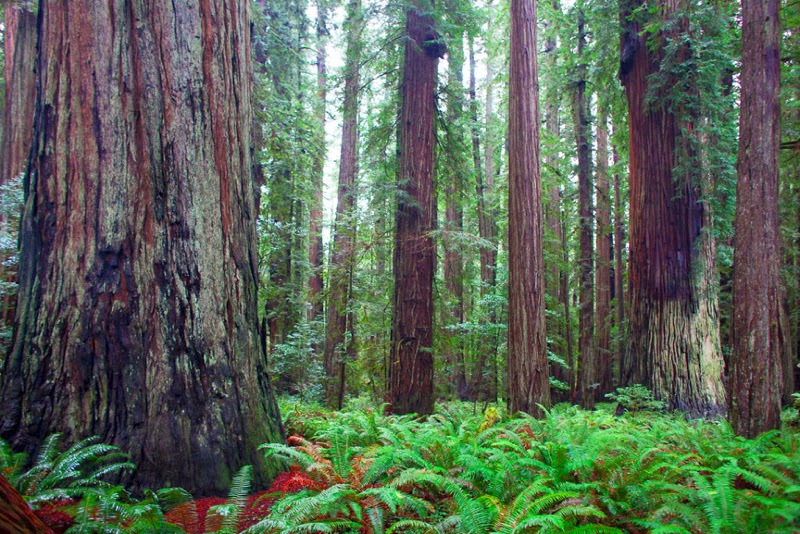
I mean -- look at this forest! Isn't this worth saving?!

So we want to kick off the month before Earth Day with fun-filled, educational, and interactive topics that will make all of our lives richer knowing we are making a difference for all of the plants, animals and humans on this planet.

We hope to encourage you through topics like the best green products you should havegreen gardening tips, and a 'Week of Green' - so stay tuned! Plus all of the information you'll need to participate in Earth Hour next Saturday, March 29 2014.

If you're not already following our blog, do so with BlogLovin' or Follow us on Facebook. You'll be the first to know when we release these posts!

Be Green All Year Long
We know it's not enough to protect the Earth by acting one day a year (hence our month of action for starters), but even more than that, engaging in sustainable behavior should be at the forefront of thought all year long! 
We are proud to support ecologically sound practices that encourage sustainability. We believe that every business and household can contribute to the slowing down of global warming. At Little Critterz™ we engage in green business practices by: 
  • Providing educational information about the fragility of the earth’s ecosystems and the habitats of endangered wildlife
  • Using recycled paper whenever possible to prevent useless destruction of our forests
  • Minimizing the use of paper by maintaining digital files
  • Recycle all plastics, cans and paper
  • Shutting off lights when not in use
  • Reducing excessive packaging to save trees
  • Reuse all packaging materials received

We really hope you'll join along, learn about our planet and perhaps even get outside in participate in your community to make this world a better place!

Cheers and happy Friday to you all!
-the Little Critterz team

Tuesday, January 14, 2014

TerraCycle: A New Trend in Recycling

If you have ever seen our blog before, you have probably noticed that we place a large emphasis on recycling unwanted goods and appropriate trash. Recycling is clearly a great way to help out our environment, but it has never been seen as an interactive process. Because after all, when we 'throw away', it never goes away, it ends up in a landfill.

Enter TerraCycle, a company that focuses on re-purposing materials (some not normally known as recyclable) and turning them into usable goods. Take a look at some of their awesome products below!


The interactivity aspect of TerraCycle's vision is highlighted by the brigade programs that the recyclables are funneled into. When signing up for TerraCycle you are asked to join a brigade program, which specifies what type of materials you want to collect. There are over forty different brigades, including cigarette waste, energy bar wrapper, solo cup, diaper packaging, candy wrapper, etc. People are encouraged to join multiple brigades. 

When your waste is ready to be sent in  a shipping label can be downloaded from the TerraCycle website and directions are given for the materials to be sent to the appropriate TerraCycle facility. 


Once the products are received by TerraCycle, points are given to the sender based on the amount of products sent in. At any point the points accumulated can be redeemed for a variety of charitable gifts. Gifts include donations to various organizations and schools. Over the course of the year, individual brigades and TerraCycle as a whole hold competitions where prizes are given based on the amount of materials submitted.

Users are able to track their points, as well as the points of their respective brigades in real time on TerraCycle's website. This is a great way to make recycling fun and competitive!


Check out the website for information on Terracycle's recycled products available for purchase. As well as their groundbreaking cigarette waste program and zero-waste boxes.


Friday, October 25, 2013

What's The Deal With Trees?


Trees provide a variety of benefits to people, animals and the environment including beauty, food, shade, and oxygen. 


Benefits of Trees
  • Trees provide oxygen
  • Trees combat the greenhouse effect by absorbing greenhouse gases
  • Trees clean the air
  • Trees conserve energy
  • Trees save water by returning water vapor to the atmosphere.
  • Trees prevent soil erosion
  • Trees provide habitat for wildlife
  • Trees prevent water pollution
  • Trees shield children from ultra-violet rays, reducing exposure by 50%
  • Trees cool the streets and the city by providing shade and combatting the Urban Heat Island Effect 
  • Trees provide food in the form of fruits and nuts, but they also provide food to birds and wildlife.
  • Trees provide economic opportunities from fruit harvesting, lanscaping, agriculture
  • Trees block unsightly buildings and construction
  • Trees provide wood for fuel and craft
  • Trees heal, teach and are good companions after all, they are good for your soul
  • Trees mark the seasons
  • Trees add unity to a community
  • Trees increase property value
  • Trees increase business traffic
"I've often said that the most sophisticated "green" technology on the planet is the humble tree. Trees sequester carbon, fix nitrogen into the soil, create organic compost, prevent erosion and encourage rain, while providing sustainable crops, shape, lumber and even fuel. The single most important activity on the planet (I believe) is planting trees, a fact backed up by the latest McKinsey study on abating the effects of global warming." - Pieter Hoff

Okay, we've clarified the importance of a tree, so what?

Rate of Destruction
UN specialists estimate 60 acres of tropical forests are felled every minute, up from 50 only 1 generation ago. "Deforestation continues at an alarming rate of about 13 million hectares (32 million acres) a year," the U.N. body said in its latest State of the World's Forests report.

Forests still cover about 30 percent of the world’s land area, but swaths the size of Panama are lost each and every year. Seventy percent of Earth’s land animals and plants live in forests, and many cannot survive the deforestation that destroys their homes.

Impact to the Environment and the Future of Humanity
"If we lose forests, we lose the fight against climate change," as deforestation drives climate change. Soil is moist, but without shade from the trees they quickly dry out.

Removing trees deprives the forest of portions of its canopy, which blocks the sun’s rays during the day and holds in heat at night. This disruption leads to more extreme temperatures swings that can be harmful to plants and animals.

Get Involved
Most of the major deforestation is happening in Asia, Africa and South America where there are major rainforests and economic incentives for people to cut them down to feed themselves and their families among other things. 

It is also in our own backyard. The California Floristic Province is one of the Top 10 Most Endangered Forests. As one of only five areas with a Mediterranean-type climate in the world — all of which are on the hotspot list — the California Floristic Province is characterized by hot, dry summers and cool, wet winters. The region contains a wide variety of ecosystems.


Planting trees properly is very important. You must think about the right tree, the right place and the right way to plant the tree. For a tutorial visit: http://www.treepeople.org/how-plant-tree

Additional tree planting tips: http://csfs.colostate.edu/pages/conservation.html

Ways to find volunteer opportunities is easy. Each city has organizations that organize and teach volunteers to plant trees properly. A simple Google search will put you in touch with organizations in your area.


Planting trees is a great way to get involved in your community, meet new people, and teach your family good life lessons. A little fresh air and manual labor are good for the soul too!

Hope everyone gets out there and plants some trees!

Have a good weekend!

-the Little Critterz team 


sources
http://environment.nationalgeographic.com/environment/global-warming/deforestation-overview/
http://www.sfgate.com/green/article/Destruction-of-world-s-forests-speeding-up-3295884.php
http://www.conservation.org/WHERE/PRIORITY_AREAS/HOTSPOTS/NORTH_CENTRAL_AMERICA/CALIFORNIA-FLORISTIC-PROVINCE/Pages/default.aspx
http://www.statisticbrain.com/tree-deforestation-statistics/
http://www.mnn.com/green-tech/research-innovations/blogs/a-solution-to-reverse-africas-growing-deserts


Thursday, October 24, 2013

Guide to Green Vehicles

The damage from cars and trucks to the environment and our health, including air pollution, oil spills and fouling water supply, damaged habitats and global climate change, is often concealed. Emissions from these vehicles can be more harmful to our health than many other toxins released from power plants, as cars and trucks are right where we live, work and play.

Before I begin discussing the basics, terminology, models and what to look for green cars, I want to first clarify that cars are not the only mode of transportation. In fact, walking and bike riding are the greenest forms of transportation. It is alarming that 40% of car rides are under 2 miles - which takes about 20 minutes to walk. Before you hop in your car to go to the store, gym, school or grocery, consider making the journey into an outdoor excursion, enjoying the scenery and walk or bike those short distances.

Now that that's covered, let's dive into the basics of energy efficient vehicles.

Hybrid
Gas-electric hybrids are the most popular form of green cars as you can charge the car as well as fill up at the pump, which extends your range of long distance travel. They are the greenest option of cars still relying on an internal combustion power. They have better fuel economy, and energy saving features such as regenerative breaking (converting the normally wasted energy of the wheels to turn the motor), electric motor assist when accelerating or climbing hills, and automatic engine start/shut off when car stops and goes.


Electric
Electric cars do not rely on internal combustion and they are the greenest option. They are plugged in over night and ready to be used each morning. Consider waking up every morning with a full tank of gas! It does take about 8 hours to fully charge an electric car, hence distance-anxiety when debating on the purchase of an electric car. Models like Model S from Tesla takes 3.5 hours to charge. Recent announcement of Tesla battery swap takes a mere 90 seconds to charge!

Electric cars are generally more expensive than their gas counterparts, but they cost less to run. However models such as the SmartForTwo Electric Drive, Chevrolet Spark EV, Nissan Leaf, and Mitsubishi i are all under $30,000.

Gas stations, oil changes, spark plus, smog checks, fuel filters, etc. are obsolete with electric cars.

Real Electric vs Compliance Cars
California has the toughest standards of emissions for car makers, and a dozen other states have adopted these standards. Late last year, California required automakers of a certain size be required a portion of their sales be from zero-emissions vehicles.

A "real" electric car is one that is sold outright to the consumer (not leased), will sell 5,000 in the US a year (or 20,000 global), and it is offered in states other than 'California emission' states now or in the next 18 months. Any car that doesn't meet those tests isn't a serious volume car and was created to meet the zero-emissions vehicle requirements.


Biofuel
Biofuel comes in several forms, diesel, ethanol and algae.

Diesel cars still run on gasoline as an internal combustion engine, but the new generation of clean diesel offers lower emissions, high efficiency and high performance. Diesel fuel is more dense than regular gasoline, packing more energy in the same amount of fuel.

Ethanol is made from corn and sugar cane. Most ethanol models use a combination of ethanol and gas. And there are debates about how green ethanol is as it takes a substantial amount of energy to produce the ethanol.

The technology to use algae derived biofuel is still being made.


Tax Incentives
There is a $7,500 tax credit provided for most electric and hybrid cars. Ford C-Max Energi and Fusion Energi, Honda Accord Plug-In Hybrid, and Toyota Prius Plug-In Hybrid have tax incentives ranging from $2,500 to $4,000.


**Keep in mind that the emissions from a car are emitted throughout the lifespan of the car, and factors such as maintenance and driving habits also effect emissions.


I hope that helps answer some basic questions and to give you a bit of background on the types of green cars. If you are in the market for a new vehicle, I urge you to consider going green.

-the Little Critterz team


resources
gas2.org
hybridcars.com
greenercars.org
greencarreports.com
fueleconomy.gov

Tuesday, October 22, 2013

11 Tips for a Green Halloween

Living green is something we should all incorporate into our lifestyle. We only have one world and we must take care of it for the sake of the future for humans and animals alike.

That being said, here are some tips to help you have a green Halloween!


  1. Make your costumes from things you have around the house. Think old sheets, pipe cleaners, old toys, etc.
  2. Shop at Goodwill or a thrift store to create a recycled costume.
  3. Decorate your house with gourds, pumpkins, pine cones and other items found in nature to reduce plastic.
  4. Make spider webs from string instead of buying them in a bag.
  5. Buy faire trade chocolate.
  6. Trick-or-treat with a canvas, reusable bag.
  7. Give preference given to locally grown or made goods. For reasons why visit this post
  8. Buy non-food items are made from Earth friendly materials such as sustainably harvested wood or recycled plastic
  9. Buy items contains as little packaging as possible, less plastic, etc.
  10. Buy what's in season, it reduces the length and energy the food travels.
  11. Most importantly, if you can go without – do! Nothing could be greener than focusing on people rather than things.


sources

Friday, August 16, 2013

Green Roof: Good for the Environment, Neighborhood and Wallet

Lately, we've been seeing more and more about green roofs. No longer for hobbits, this sustainable addition to the home minimize bills while maximize the beauty of urban landscape. Green roofs, or vegetated roofs, which have a layer of living plants on top of the structure.

  • Green roofs reduce storm water runoff. Grass and plants absorbs rainwater and minimize run off as well as potential flooding. 
  • It also lasts longer than traditional roofing by protecting it from sun damage. Extending the life of the roof saves you money and keeping waste out of landfills from re-roofing.
  • Keeps roof and house cooler by acting as an insulation. You can set the thermostat 6-8 degrees cooler than non green roof homes while also minimizing Urban Heat Island Effect, the premise that cities are warmer than the neighboring countryside. This reduces summertime cooling necessities, saving money and energy.
  • Green roofs are a source of oxygen and a habitat for birds, insects, chickens, and even goats to graze on. Feel free to raise your own food and vegetation since you'll have the room!

Green roofs have so many benefits, and they're just so pretty! Take a look at a few of our favorites.


Is this something you would consider doing?


Thursday, June 20, 2013

Our World Without Water

As you've probably seen us post about on our Facebook and Twitter pages, we've been shocked, nervous and curious about food production and waste as of late. We know that climate change is occurring and population is growing. So we wonder, what factors are contributing to the impending food crises? After all, there is estimated to be 9 million people in the world by 2050, and poverty and starvation is already a huge problem.

Water is the Worlds Most Precious Commodity

In Developed Nations, 95% of water that enters the home goes down the drain.

We know long showers, and letting the water run while brushing your teeth and washing your face wastes water after all 27% of water usage is from showering. But did you know that receiving one newspaper every day uses 66,000 gallons of water each year? Holy cow!

70% of water usage is for irrigation. But over half of the water used for irrigation is lost to leaks!

Trends

Increased population
Decreasing productivity due to climate change
Changing consumption

What People Are Eating Is Changing

In 2010, the world consumed 235 million tons of meat. By 2020, it is expected the world will consume an additional 60 million tons.

Producing 1kg of animal protein requires 100 times more water than 1kg of grain protein.

Let's Talk About Waste

24% of calories produced are not consumed. That's 198 million hectares, or the size of Mexico. Think about all of the energy and water that goes into producing this food, only to be thrown away!

In monetary terms, the average US American family wastes $1600 in food every year.

A UK report suggests that food waste if given to pigs instead of incarcerated could provide 800,000 tons of pork per year.

Anyone Else Nervous Yet?

So what can we do?

Grocery shop more often, but buy less. Buy what you need for the next day or two. I think we in the US feel so pressed for time that we make excuses about not having time to run to the store for an item we need. But wouldn't we rather make the time to go more often instead of over buying, over spending, and wasting what we don't really need just because we want to be "safe not sorry"?

Drive less. One car uses 40,000 gallons of water in gasoline. Walk or ride your bike to the grocery store. Making lifestyle choices to be more active everyday will cut down on gym time, leaving more time to be conscious about buying habits and the environment. Can we say win, win!

What are you doing to save water or prevent food waste? Comment below and let us know!