Trees provide a variety of benefits to people, animals and the environment including beauty, food, shade, and oxygen.
Benefits of Trees
- Trees provide oxygen
- Trees combat the greenhouse effect by absorbing greenhouse gases
- Trees clean the air
- Trees conserve energy
- Trees save water by returning water vapor to the atmosphere.
- Trees prevent soil erosion
- Trees provide habitat for wildlife
- Trees prevent water pollution
- Trees shield children from ultra-violet rays, reducing exposure by 50%
- Trees cool the streets and the city by providing shade and combatting the Urban Heat Island Effect
- Trees provide food in the form of fruits and nuts, but they also provide food to birds and wildlife.
- Trees provide economic opportunities from fruit harvesting, lanscaping, agriculture
- Trees block unsightly buildings and construction
- Trees provide wood for fuel and craft
- Trees heal, teach and are good companions after all, they are good for your soul
- Trees mark the seasons
- Trees add unity to a community
- Trees increase property value
- Trees increase business traffic
"I've often said that the most sophisticated "green" technology on the planet is the humble tree. Trees sequester carbon, fix nitrogen into the soil, create organic compost, prevent erosion and encourage rain, while providing sustainable crops, shape, lumber and even fuel. The single most important activity on the planet (I believe) is planting trees, a fact backed up by the latest McKinsey study on abating the effects of global warming." - Pieter Hoff
Okay, we've clarified the importance of a tree, so what?
Rate of Destruction
UN specialists estimate 60 acres of tropical forests are felled every minute, up from 50 only 1 generation ago. "Deforestation continues at an alarming rate of about 13 million hectares (32 million acres) a year," the U.N. body said in its latest State of the World's Forests report.
Forests still cover about 30 percent of the world’s land area, but swaths the size of Panama are lost each and every year. Seventy percent of Earth’s land animals and plants live in forests, and many cannot survive the deforestation that destroys their homes.
Impact to the Environment and the Future of Humanity
"If we lose forests, we lose the fight against climate change," as deforestation drives climate change. Soil is moist, but without shade from the trees they quickly dry out.
Removing trees deprives the forest of portions of its canopy, which blocks the sun’s rays during the day and holds in heat at night. This disruption leads to more extreme temperatures swings that can be harmful to plants and animals.
Get Involved
Most of the major deforestation is happening in Asia, Africa and South America where there are major rainforests and economic incentives for people to cut them down to feed themselves and their families among other things.
It is also in our own backyard. The California Floristic Province is one of the Top 10 Most Endangered Forests. As one of only five areas with a Mediterranean-type climate in the world — all of which are on the hotspot list — the California Floristic Province is characterized by hot, dry summers and cool, wet winters. The region contains a wide variety of ecosystems.

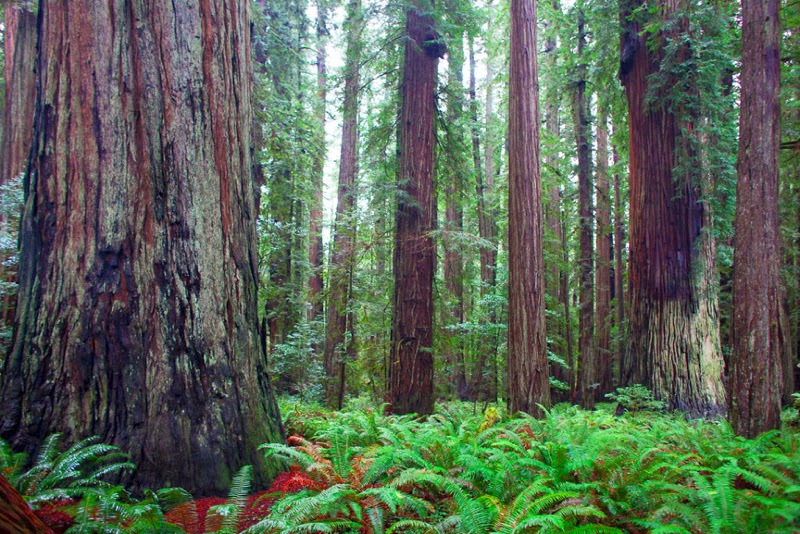
Planting trees properly is very important. You must think about the right tree, the right place and the right way to plant the tree. For a tutorial visit: http://www.treepeople.org/how-plant-tree
Additional tree planting tips: http://csfs.colostate.edu/pages/conservation.html
Ways to find volunteer opportunities is easy. Each city has organizations that organize and teach volunteers to plant trees properly. A simple Google search will put you in touch with organizations in your area.
Planting trees is a great way to get involved in your community, meet new people, and teach your family good life lessons. A little fresh air and manual labor are good for the soul too!
Hope everyone gets out there and plants some trees!
Have a good weekend!
-the Little Critterz team
sources
http://environment.nationalgeographic.com/environment/global-warming/deforestation-overview/
http://www.sfgate.com/green/article/Destruction-of-world-s-forests-speeding-up-3295884.php
http://www.conservation.org/WHERE/PRIORITY_AREAS/HOTSPOTS/NORTH_CENTRAL_AMERICA/CALIFORNIA-FLORISTIC-PROVINCE/Pages/default.aspx
http://www.statisticbrain.com/tree-deforestation-statistics/
http://www.mnn.com/green-tech/research-innovations/blogs/a-solution-to-reverse-africas-growing-deserts
http://www.mnn.com/green-tech/research-innovations/blogs/a-solution-to-reverse-africas-growing-deserts